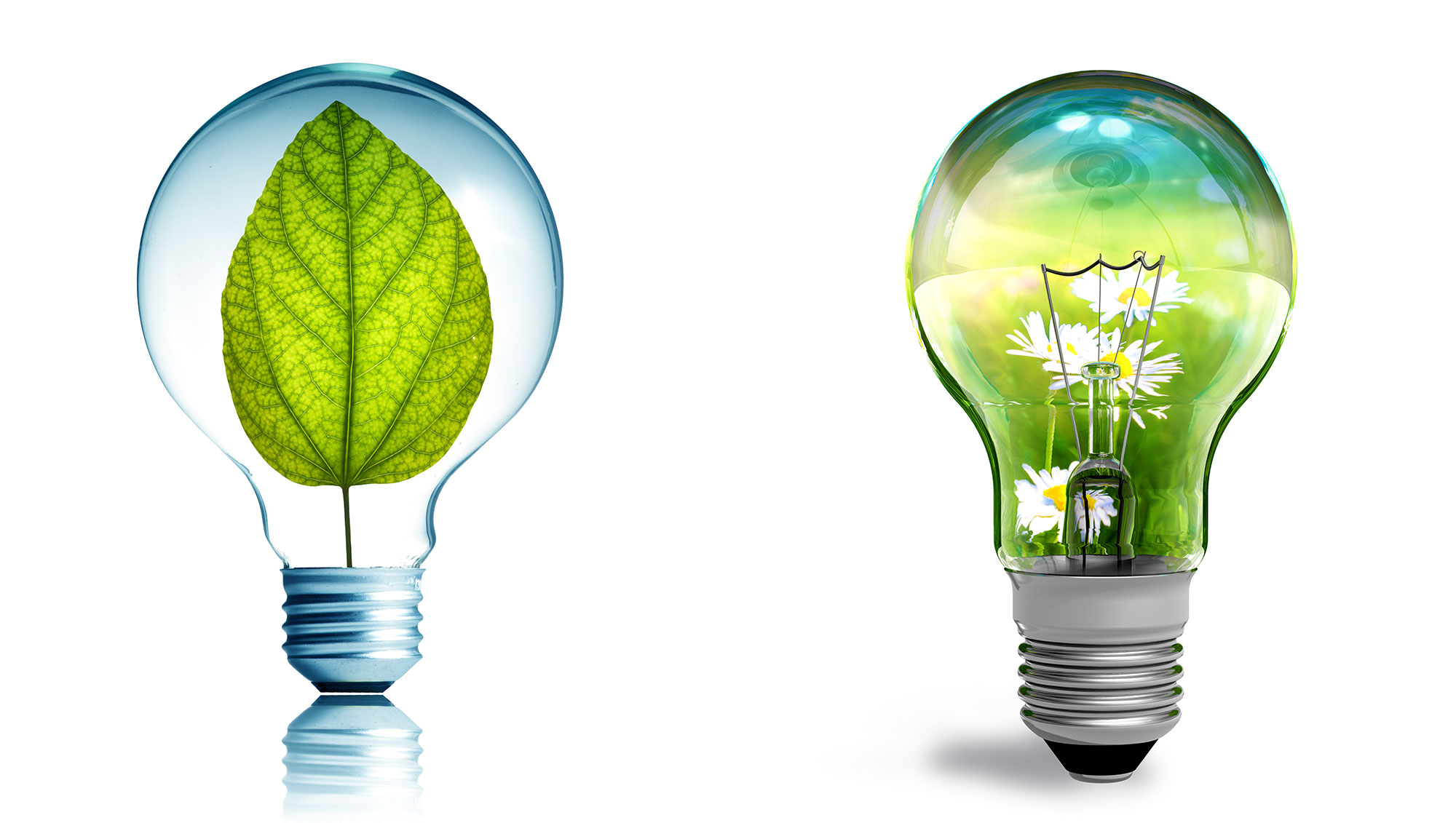
Executive summary-artificial lightning for house plants


  • Indoor grown pot plants need certain amount of sun light in order to perform photosynthesis and grow normally. The minimal light stream intensity needed is 100-150 Micro-Einstein /m2, equivalent to the outside sun-light intensity in a very cloudy day.
  • The plants can use only the light in the visible spectrum (PAR) in wave-length between 400-750 nanometer. The usual internal artificial light in homes is not effective to plants. So today the growing of plants in the interior is limited to balconies, near windows and external hanging containers.
  • The existing solutions today are expensive and energy consuming in the form of sodium, and methyl aldehyde lamps, normally 200 watts or more, and creating unpleasant heat.
  • Experiments conducted in Wekah Ltd. since 2001 show that plants can grow successfully, when given the right spectrum and intensity close to the plants canopy and focused on the plant itself. The first experiments were conducted with fluorescent bulbs 24 watts, 15 cm. from the canopy. New Led light technologies permit even lower consumption of energy, and working in the specific range of red and blue lights only.
  • The project developed by Wekah Technologies  Ltd. is to design and develop an efficient lightening device with low energy consumption, to create a complete artificial sun substitute for single or a group of pot plants, adjustable and decorative, to permit professional plant growing inside the dark corners and spaces of homes. Easy to use and practical.
  • Ecological improvement of the interior and co2 emissions reducing plant population in places not possible to grow in the past.
    Decorative solution and green gardens in the interior of house holds a, office and public area, and part of new green construction and architecture.
  • Complete and intelligent home gardening techniques, that permit you to change completely the interior aspects of your home or office.


Lighting Indoor Plants

Houseplants are popular indoor decorations. Attractive and constantly changing, they add a softness of line and provide a bit of nature indoors. However, the ideal location of a plant for decoration may not be the ideal spot for plant growth. Lack of adequate light is the most common factor limiting the growth of plants in many areas of the home. Supplementary electric lighting is usually the easiest and least expensive way to provide enough light for plants that do not receive adequate natural light.

Why do plants need light?

Light provides the energy plants need to make the food required for them to grow and flower. Plants are the only organisms able to use light to produce sugars, starches and other substances needed by them as well as by other living organisms.

Starting Plants Indoors From Seeds

Many flowers and vegetables may be started from seeds indoors. Vigorous plants started indoors flower sooner and produce an earlier harvest than plants started outdoors. Seeds of certain species, however, are best sown directly outdoors when weather conditions permit and are actually delayed by transplanting. Growing plants from seeds can be a rewarding hobby and also allows home gardeners to grow varieties that may not be available from local plant outlet.

Seeding date

The proper time for sowing seeds indoors depends on the amount of time required to develop a healthy transplant of appropriate size to be moved outdoors. This period may range from 3 to 15 weeks, depending on species and the cultural conditions in the home (see Tables 1 and 2). Additionally, the date at which a species may be transplanted into the garden must be considered when
establishing a seeding date. Cold-tolerant plants such as pansy and cabbage often can be set out in late March or early April and must be seeded relatively early in the year. Heat-loving plants such as vinca and watermelon should not be set out until the weather has warmed, usually in late May, and should be started later.